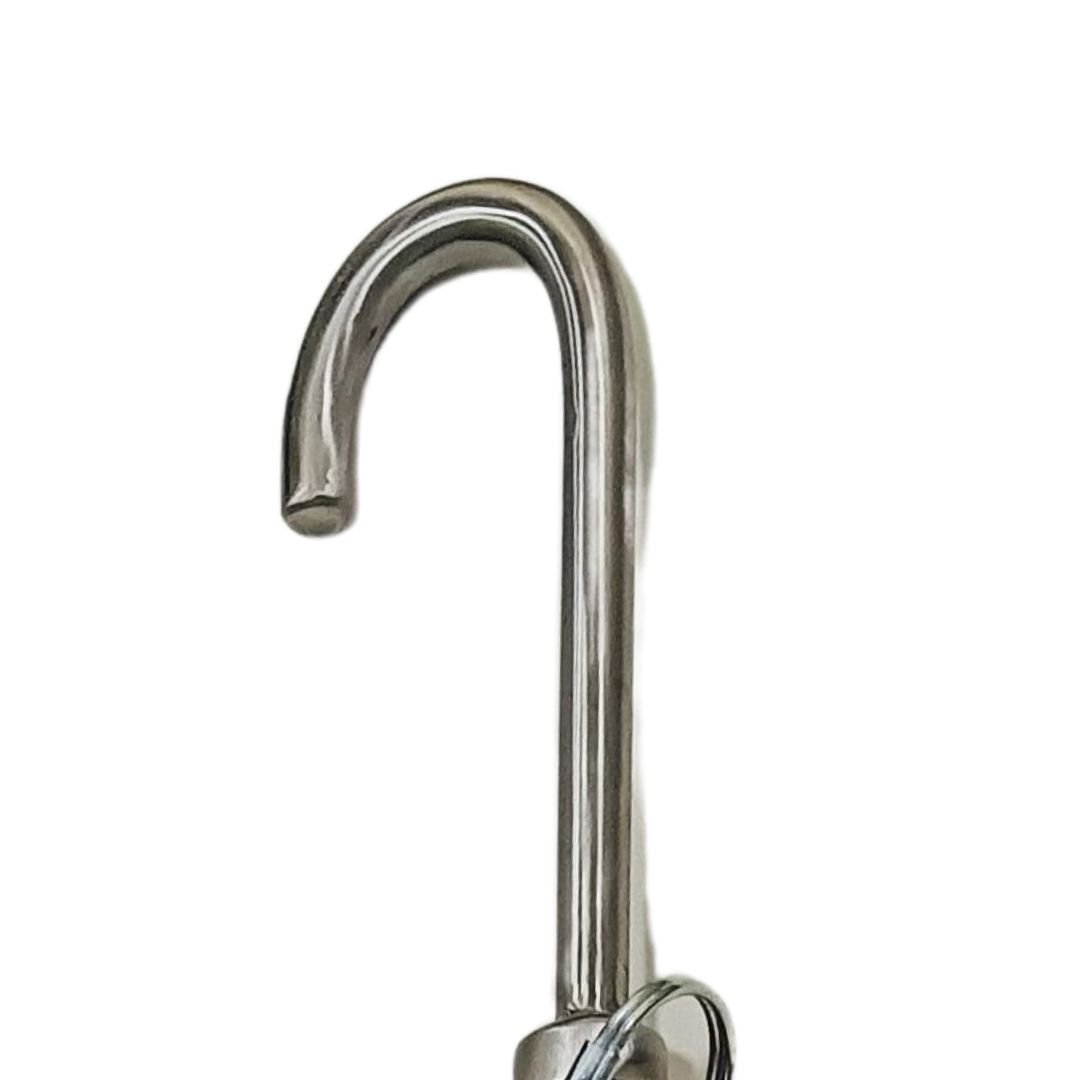
 Curved engagement
J hook
A hooked profile to assess for suitable rope, sling, chain and component retrieval or pulling tasks. Check entry, retention and controlled release.
Discuss this head ↗PSC Load-It® XT stainless steel hooks. The familiar Load-It shaft, grip and head connection, fitted with stainless steel heads for demanding material-handling tasks.
Designed for the Last Few Inches™ — where guidance, alignment and final positioning would otherwise draw a hand towards the load.
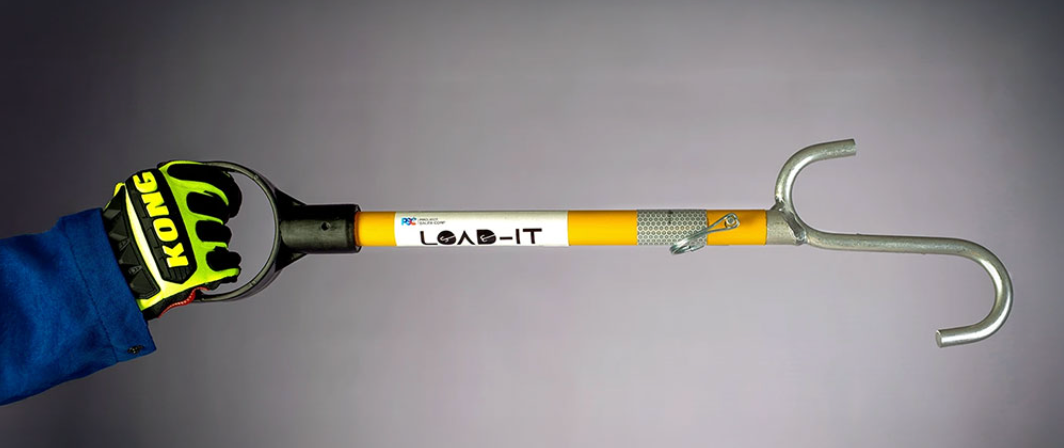
PSC Load-It began with a practical idea: the load and required movement should determine the head geometry. XT carries that approach into the stainless steel hook range.
XT uses the same shaft, grip and head connection as standard Load-It. The hook head changes from aluminium to stainless steel. Choose the material and head profile for the contact point and service conditions.
Explore the aluminium-head Load-It range ↗A straight push, a hooked retrieval and a positional correction do not need the same contact profile. Review the actual engagement before specifying the head.
Curved engagementA hooked profile to assess for suitable rope, sling, chain and component retrieval or pulling tasks. Check entry, retention and controlled release.
Discuss this head ↗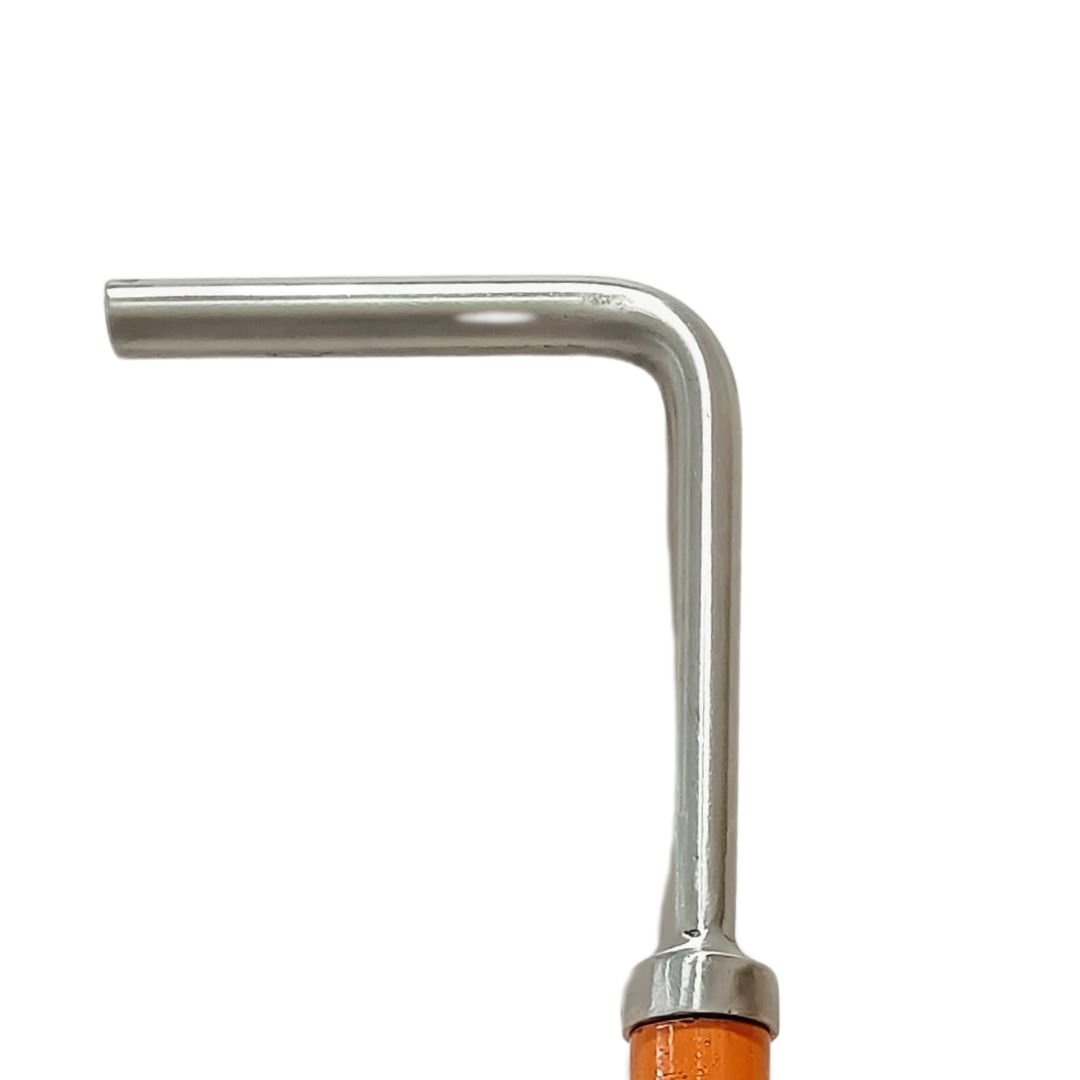 Right-angle engagement
An offset contact profile for appropriate edges and access geometries. Confirm the direction of force and whether the head can remain engaged.
Discuss this head ↗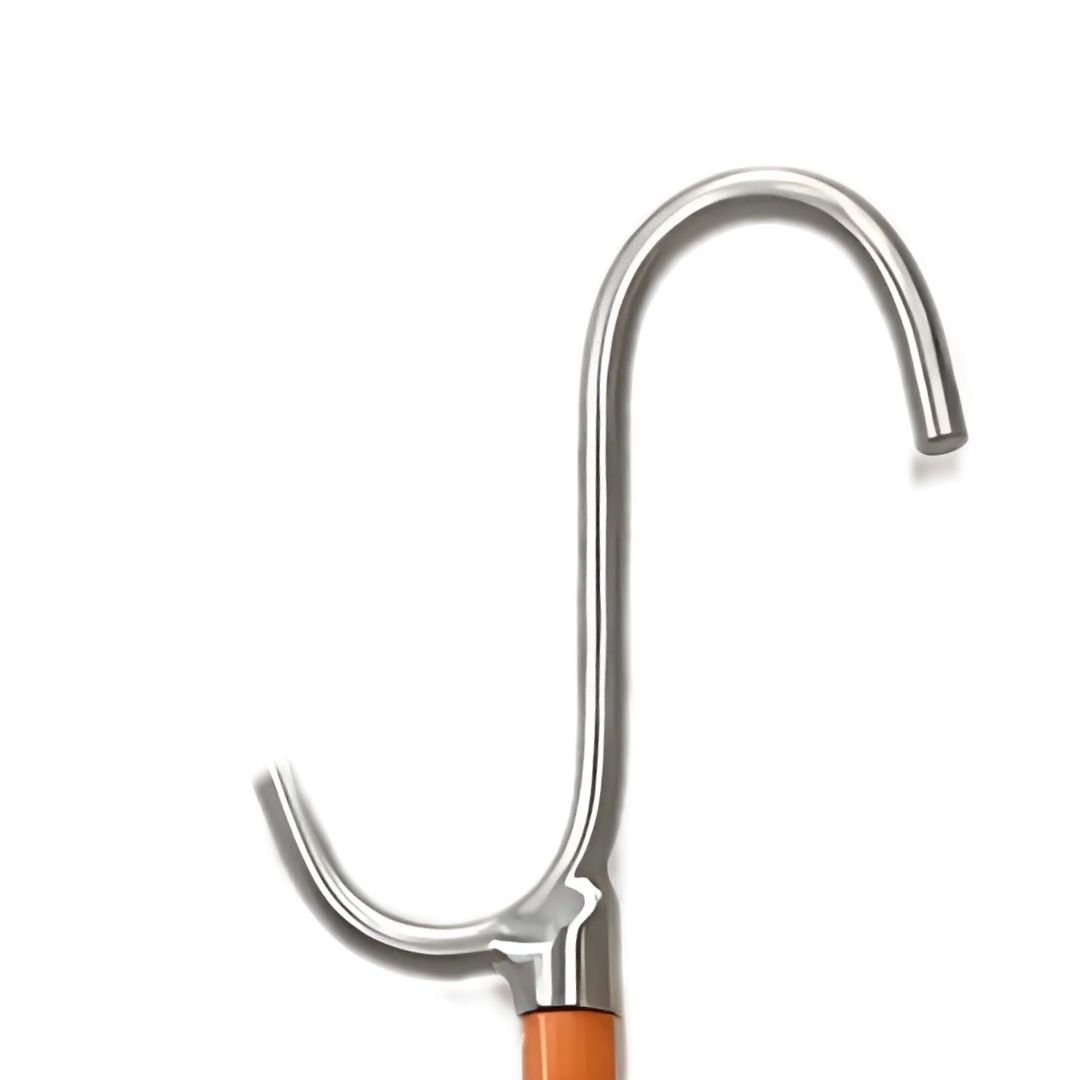 Opposing curves
A double-curved geometry offering alternative contact orientations. Match the curvature and opening to the item being guided or retrieved.
Discuss this head ↗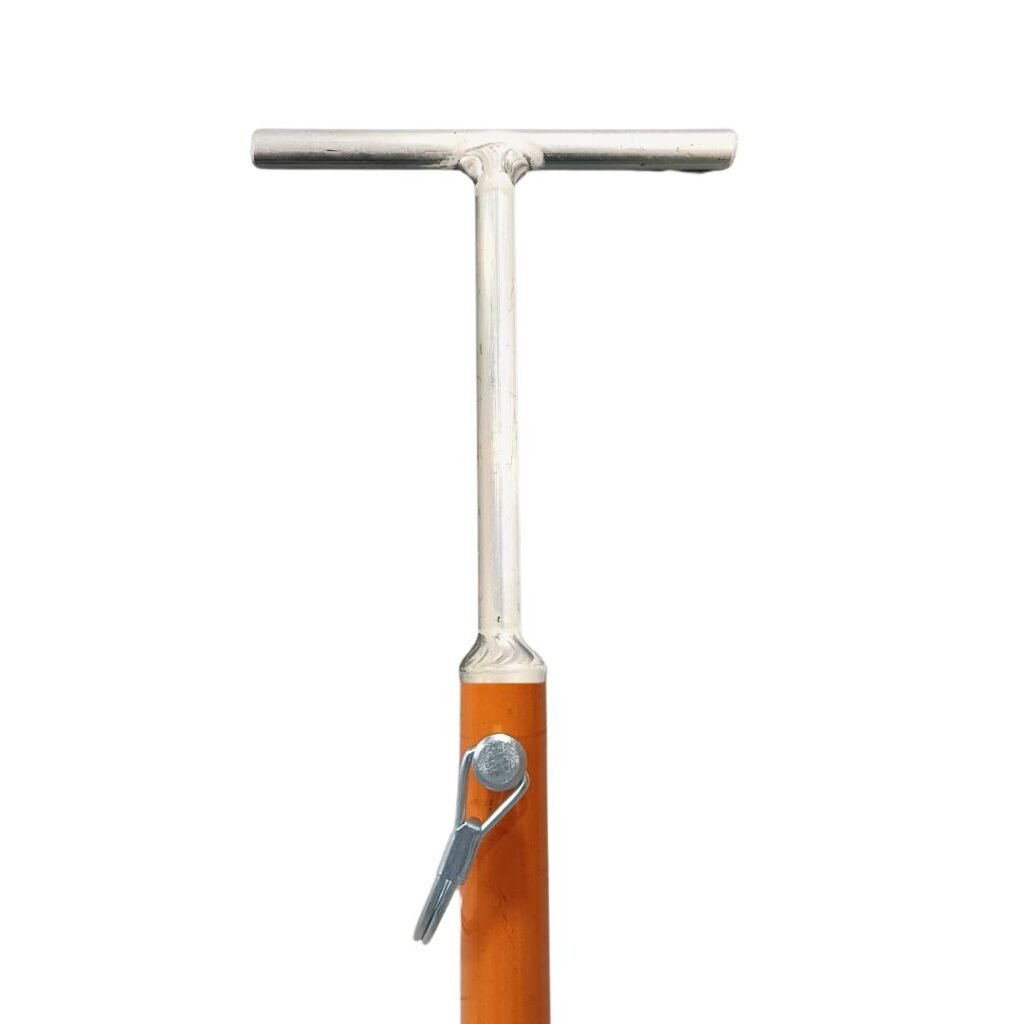 Transverse contact
A transverse head option for suitable pushing and guidance interfaces. Confirm the contact surface and direction of force.
Discuss this head ↗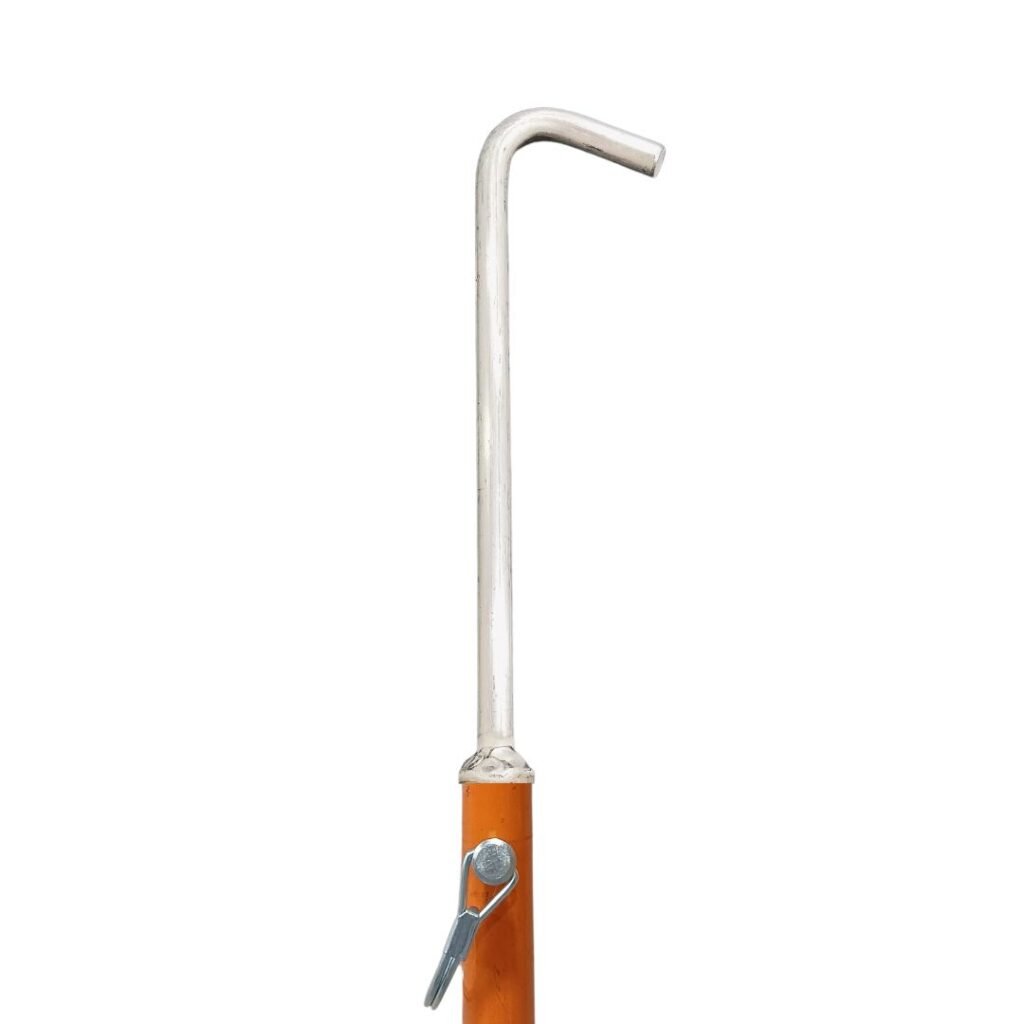 Offset access
An angled head for engagement points that require an offset approach. Review access, contact and release.
Discuss this head ↗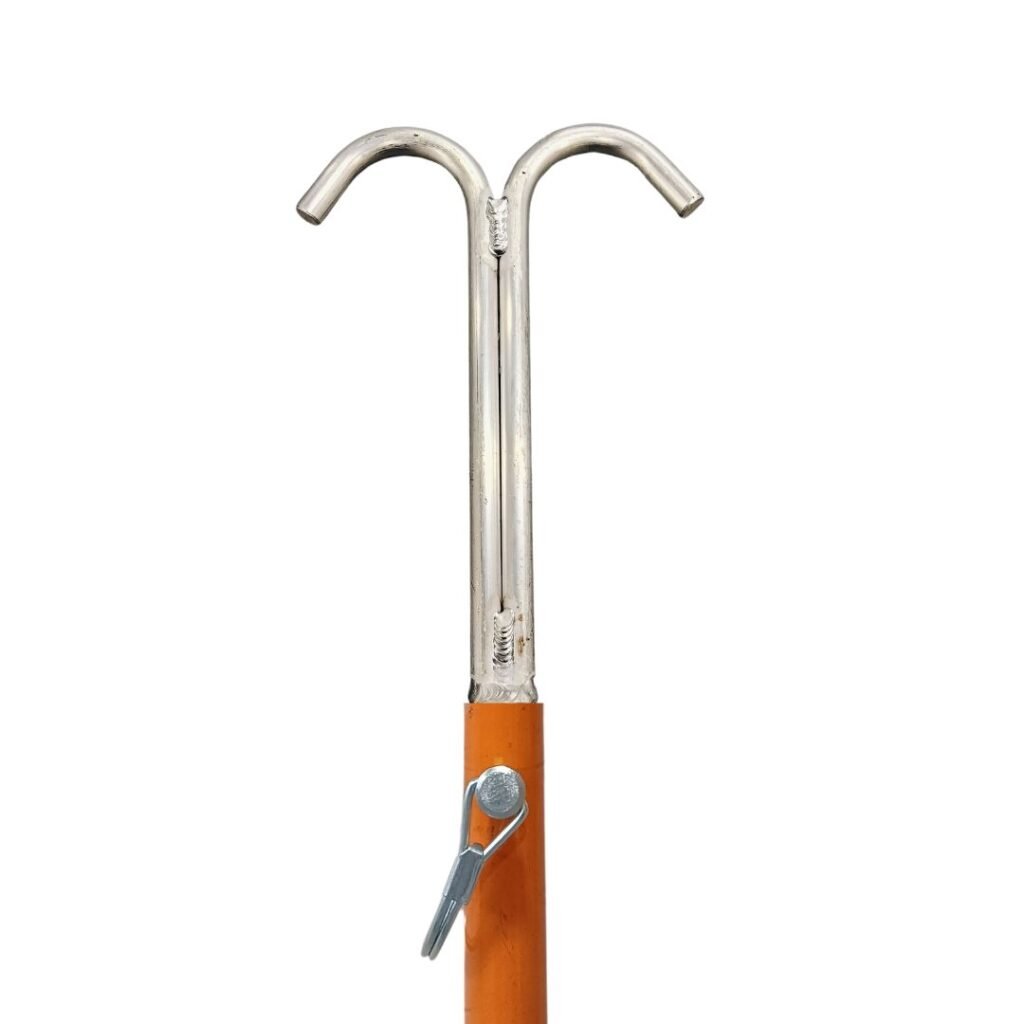 Multiple contact features
A shaped interface to assess against the actual component and required movement. Confirm engagement before selection.
Discuss this head ↗Head descriptions are selection starting points. Suitability depends on the exact shape, opening, surface, direction of force and operating method. Send PSC photographs and dimensions for a configuration recommendation.
Customer-supplied application photographs show tool-mediated contact during component and coil-handling work. Head choice, operator position and the working method must be assessed for each task.
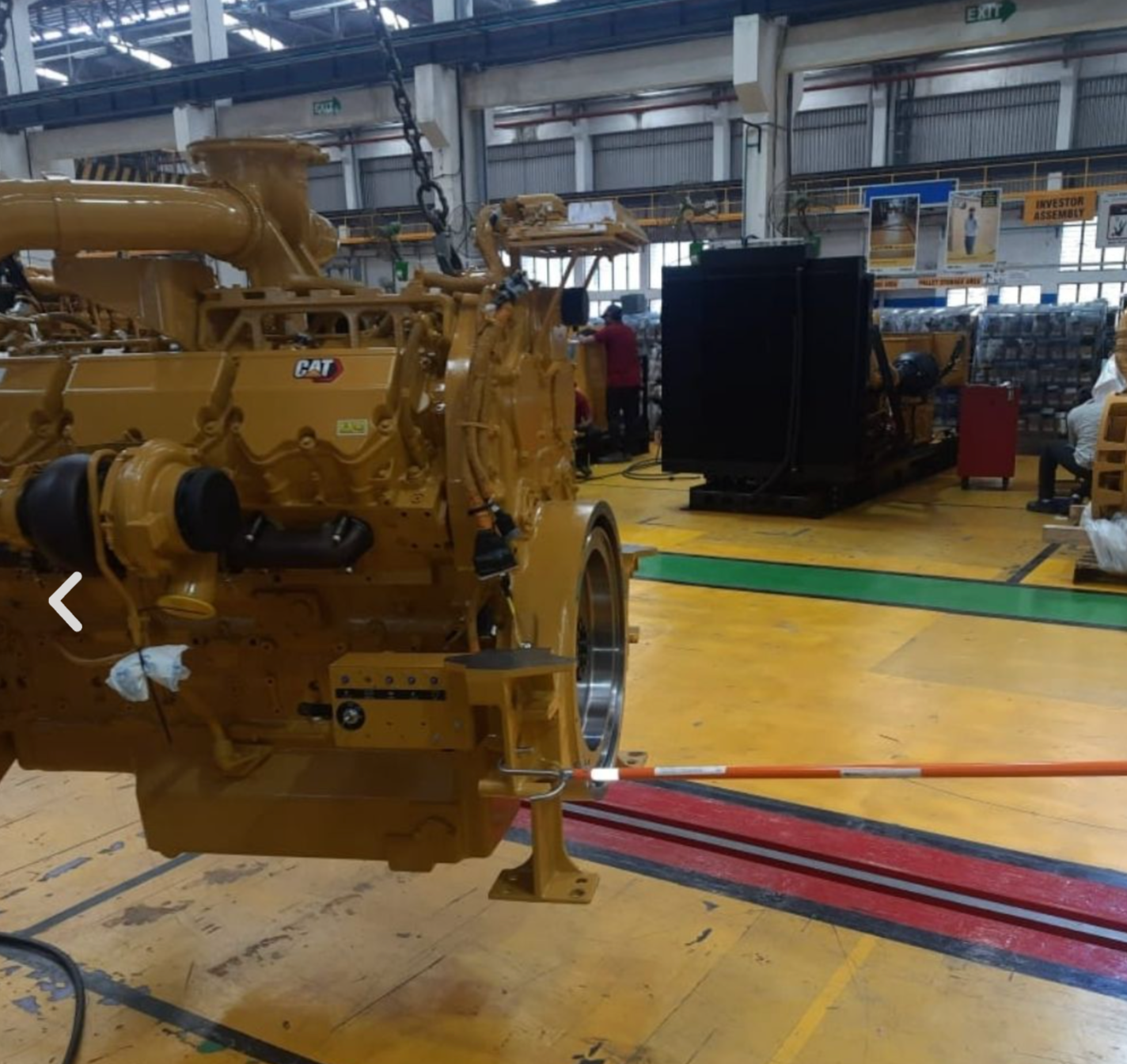
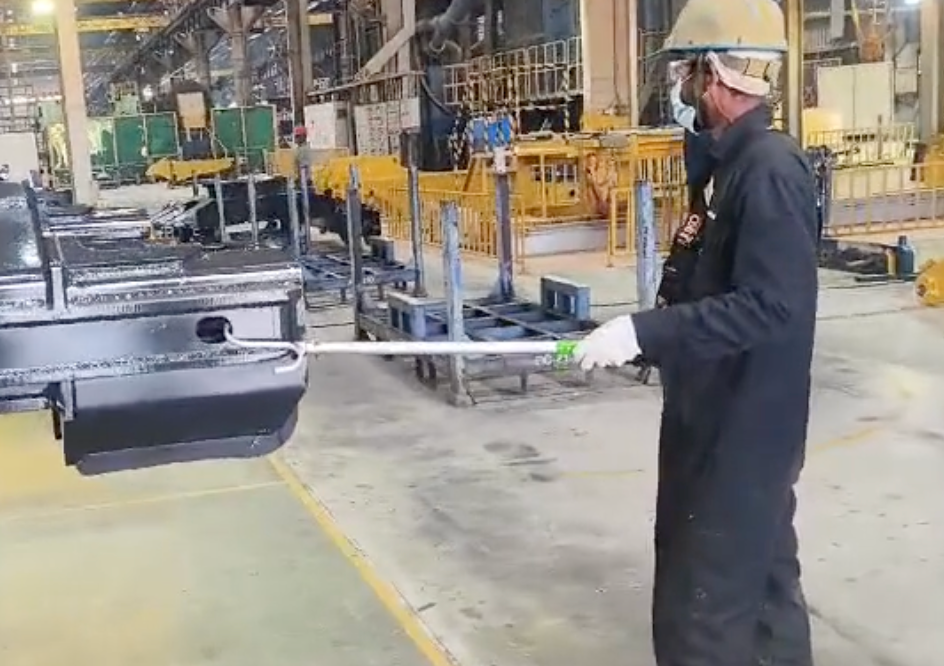
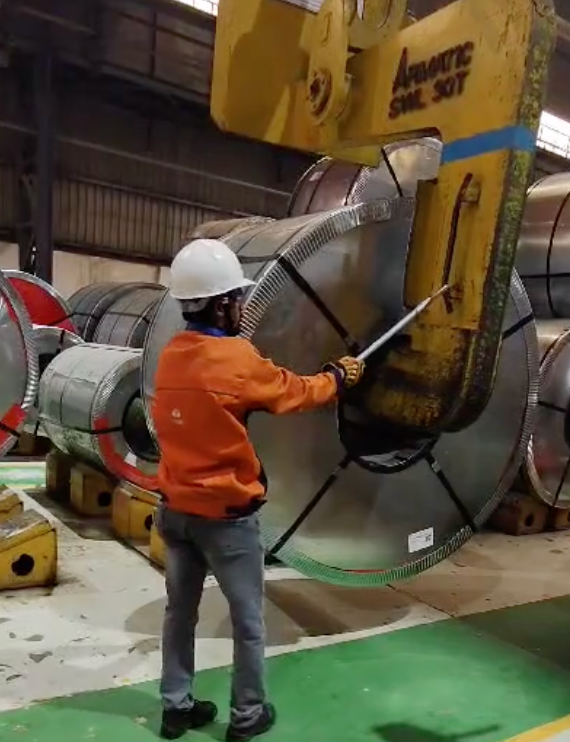
These photographs illustrate applications, not an approved procedure or confirmation that every pictured configuration is an XT stainless steel variant. Confirm the selected assembly and site working method with PSC.
A component approaches its landing point. A small correction is needed. The operator reaches to steady, align or turn it. That is the task to examine.
What is the hand doing — pushing, pulling, steadying, hooking or aligning? What could move or close around it?
Choose a head material and geometry that suit the engagement point. Select reach around access and controllability.
Confirm operator position, communication, engagement and release. Incorporate the tool into the approved working method.
XT configurations can be considered for fabrication, steel and metals, rigging, offshore, marine and maintenance tasks where the hook geometry and material suit the work.
Typical discussions include retrieving accessible rigging, positioning components and making controlled corrections during a planned handling operation.
The stainless steel head’s properties do not establish the temperature suitability of the shaft, grip, connection or complete tool. Provide the contact temperature, duration and surrounding conditions to PSC before selection.
XT tools are not lifting accessories, load supports or devices for arresting an uncontrolled load. They do not replace the crane, rigging, exclusion zone or lift plan.
| Selection point | XT range / requirement |
|---|---|
| Product family | PSC Load-It® XT — Extreme Tough stainless steel hooks |
| Hook material | Stainless steel. Confirm grade and configuration for the application. |
| Platform | Shared Load-It shaft, grip and head connection; specify the required arrangement. |
| Head options | S, M, J, T, L and Angled. Application-specific requirements can be discussed. |
| Reach | 1 ft to 12 ft configuration range. Confirm the required length and availability. |
| Proof testing | Over 300 kg, as stated by PSC for XT. Request the relevant test documentation and applicable use limits for the selected assembly. |
| Intended function | Appropriate pushing, pulling, guiding, retrieval and positioning tasks; not lifting or load bearing. |
| Availability | Confirm stock, configuration, lead time and shipping destination with PSC. |
A proof-test result is not a working-force rating, a lifting capacity or the permitted weight of a load being guided. Do not infer an allowable operating force from the proof-test figure.
How geometry, materials, reach and magnetic engagement developed into a configurable tool platform.
Read / download ↗Why the final correction matters and how a tool can become the contact interface.
Read / download ↗The industrial experience, application work and knowledge behind PSC Hand Safety.
Read / download ↗These publications discuss the wider PSC platform and different configurations. For an order, use the current configuration-specific specification and written confirmation from PSC.
The hook material changes from aluminium to stainless steel. The shaft, grip and head connection use the same Load-It platform. XT is part of the Load-It family.
No. These are handling and positioning tools, not lifting equipment. A proof-test figure does not establish a lifting capacity or a permitted working force.
Do not assume electrical insulation from the appearance or coating of any part. This range is not presented as an electrical live-working tool.
PSC confirms that XT shares the Load-It head connection. Have PSC check your existing tool version, the intended head and the assembled configuration before fitting or use.
Photographs of the task and engagement point, dimensions, required movement, reach, surface conditions, temperature where relevant, and the planned operator position.
Share the contact point, required movement and access constraints. PSC can recommend which head, material and reach to evaluate.
sales@pschandsafety.com
+91 9100 932334
PSC Hand Safety India Pvt. Ltd.
Visakhapatnam, Andhra Pradesh, India